Iran launched drones at an air base used by the U.S. military in Kuwait and at targets in Bahrain on Wednesday, Nov. 18, a day after the United States struck a missile launch site on Iran’s Qeshm Island, Al Jazeera and the Associated Press reported.
Iran said it targeted Kuwait’s Ali Al Salem Air Base, which hosts U.S. forces, according to Reuters and The Wall Street Journal as summarized by Just Security. Kuwait activated its air defenses against drones for the first time since early September. Bahrain said it fended off an attack early Wednesday. No casualties had been reported in either country as of Wednesday.
How the last 48 hours unfolded
- Tuesday, Nov. 17: Iran attacks a U.S. radar installation in Bahrain. Bahrain says it intercepted the attack.
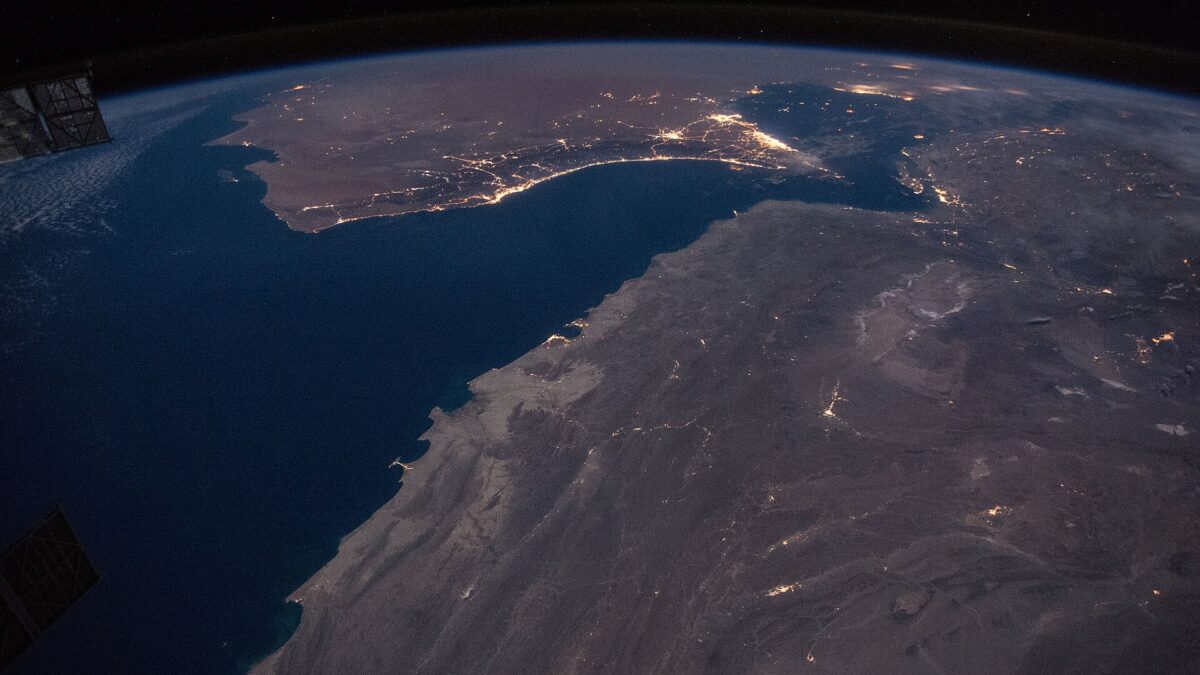
- Later Tuesday: The U.S. strikes a missile launch site on Qeshm Island, in the Strait of Hormuz, calling it a response to the radar attack.
- Wednesday, Nov. 18: Iran fires at the base in Kuwait and at Bahrain. Iran says its recent attacks answer U.S. drone surveillance and a strike on Iranian communications towers.
Bahrain, which hosts the U.S. Navy’s 5th Fleet, has now faced four Iranian attacks in six days, according to Al Jazeera.
Shipping is in the line of fire
The fighting has also reached tankers. Arab League Secretary-General Nabil Fahmy condemned an attack on a vessel owned by ADNOC, the United Arab Emirates’ national oil company, as it crossed the Strait of Hormuz. He called it part of “a continuous escalation pattern.” Saudi Arabia said it rejects Iran’s disruption of shipping routes.
The strait is one of the world’s busiest energy corridors, so any sustained threat to traffic there tends to show up later in fuel prices for U.S. drivers.
Gulf reaction
The Gulf Cooperation Council’s secretary-general, Jasem Mohamed Albudaiwi, held Iran responsible. Qatar’s Foreign Ministry called it “a dangerous escalation,” and Kuwait called the drone attacks “flagrant violations of its sovereignty.”
Iran’s army chief, Maj. Gen. Amir Hatami, said a third U.S. aircraft carrier had arrived in the region and warned that Iran’s response to any U.S. “misstep” would be “even more crushing,” according to the Fars news agency.
The bigger picture
The war began with U.S.-Israeli strikes on Iran on Feb. 28 and is now nearly nine months old. Qatar has stepped up mediation, but talks have stalled, Al Jazeera reported.